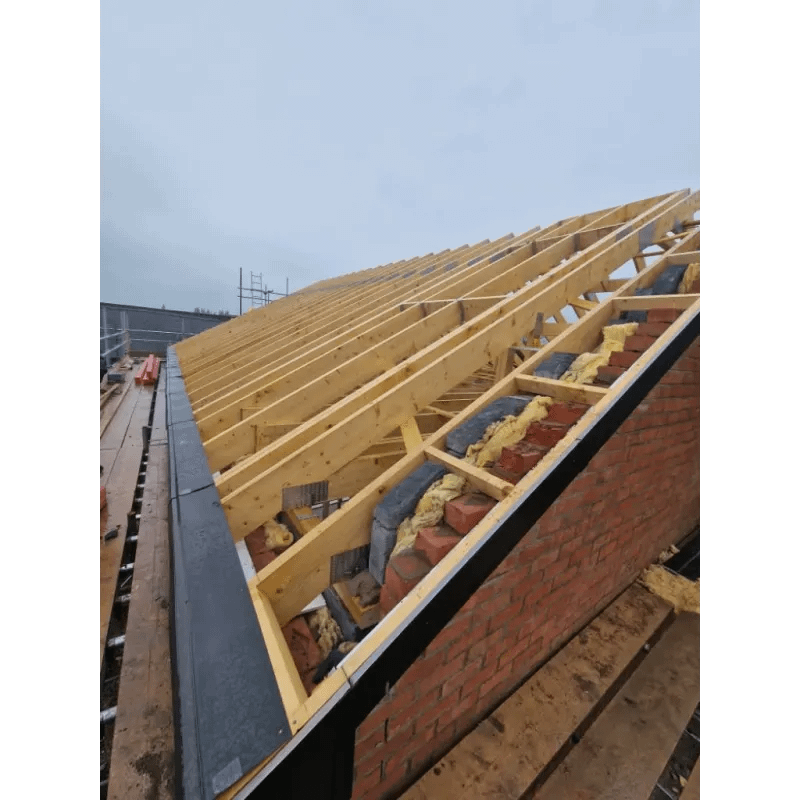
Emergency roofing refers to the immediate measures taken to repair damage to a roof that poses a significant risk to the structure of a building or the safety of its occupants. In Chester, where weather can be unpredictable and sometimes harsh, understanding these basics is crucial. Emergency roofing not only aims to fix problems quickly but also to prevent further damage until more permanent repairs can be made. This involves dealing with issues like leaks, missing tiles, or structural damage caused by storms or accidental impacts.
The primary benefit of understanding emergency roofing is enhanced preparedness. By knowing what constitutes an emergency, homeowners can act swiftly to mitigate damage. Emergency roofing solutions often include the use of tarpaulins or plastic sheeting to cover breaches temporarily, thus preventing water ingress and protecting the property from further weather-related damage. These temporary fixes are vital in maintaining the integrity of the building until professional repairs are carried out.
Moreover, a solid grasp of emergency roofing fundamentals ensures that residents can effectively communicate with professionals about the urgency and specifics of the damage. This clarity is crucial in expediting the repair process and in ensuring that the solutions applied are appropriately tailored to the severity and nature of the roofing issue, thus optimizing both time and cost-efficiency in managing roofing emergencies.
Identifying Common Roofing Emergencies in Chester
In Chester, common roofing emergencies often arise from extreme weather conditions such as high winds, heavy rain, or occasional snowfall. Slipped or missing tiles are a frequent issue, particularly in older properties or those not regularly maintained. This can lead to immediate water leakage, which if not addressed promptly, can cause significant internal damage. Another common scenario is the blockage in roof valleys or gutters, which can lead to water pooling and eventually seeping into the roof space.
Storms can also cause more severe structural damage, such as fallen tree limbs breaking through the roofing material. In addition, the age of many buildings in Chester means that wear and tear can also precipitate emergency roofing situations, with materials becoming brittle and less resistant to weather extremes. Identifying these issues quickly is essential in preventing further damage to the property and maintaining the safety of its occupants.
The benefit of being able to identify these common emergencies swiftly is key in mitigating the risk of prolonged exposure to elements which can exacerbate the initial damage. Early identification leads to faster response times, reducing the likelihood of needing more extensive and expensive repairs later. Homeowners can also strategically plan regular maintenance checks, particularly after severe weather conditions, to ensure any vulnerabilities are addressed preemptively.
Steps to Take Immediately After Roof Damage
When roof damage occurs, the first step should be to ensure the safety of all occupants; this might mean evacuating the affected area within the building if structural integrity is compromised. Once safety is assured, the next step is to mitigate further damage by covering the affected area with waterproof tarps or sheeting. This action prevents water from entering the property and causing additional damage to the interior.
Following immediate mitigation, contacting a professional roofing contractor who specializes in emergency repairs should be the next course of action. It is advisable to have a trusted contractor’s contact details readily available to avoid delays. Documenting the damage thoroughly, through photographs or videos, can also be beneficial, especially for insurance purposes. This documentation should capture the extent of the damage clearly and include timestamped files where possible.
The benefit of these immediate steps is primarily to stabilize the situation, preventing any further damage and setting the stage for professional repair work. Quick and effective action can significantly reduce repair costs and the overall impact of the damage on the property and its occupants’ daily lives. This proactive approach provides peace of mind and a clear plan during what can often be a stressful time.